This book is based on a True story of Eric Sutherland Lomax, a train enthusiasts who joined the British
Army at his young age to Malaya. Later when the Japanese had taken over
Malaya, he was held captive as a Japanese prisoner-of-war camp in
1942. He was transported 1,200 miles up north Thailand to start work on the
notorious 300-mile ‘death railway’ that the Japanese were constructing. The
book also describes his tormendous
(torture+ tremendous) experiences before, during, and after World War II.
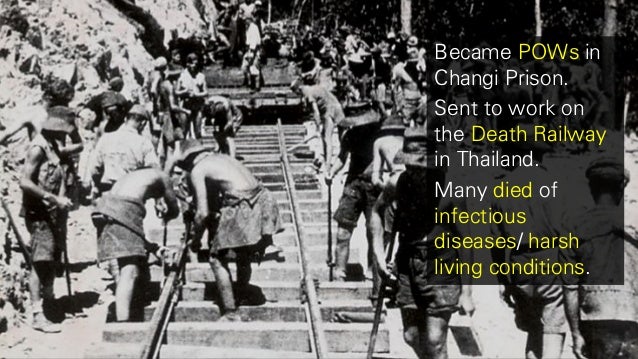 |
| Death Railway during World War Two |
It’s a
read that brought me to tears. A painful yet sympathy type of tear. Eric Lomax’s
life experience had taught me forgiveness. Which is could be both easy and
difficult at the same time. Even though war had ended for years, there was no
peace within Eric. He could still remember how his Japanese torturer, Takashi Nagase
questioned him. Using sharp-knife words like "you will be killed
shortly" to threaten him repeatedly. Compared to the physical, he was
still wounded psychically. They drowned and forced him to admit things that he was
not guilty of. Previously, I learnt a little of torture when studying human
rights. The method is called waterboarding, a water
torture that makes you feel like you are drowning. (You can check out the video, it demonstrates how a person experience waterboarding.)
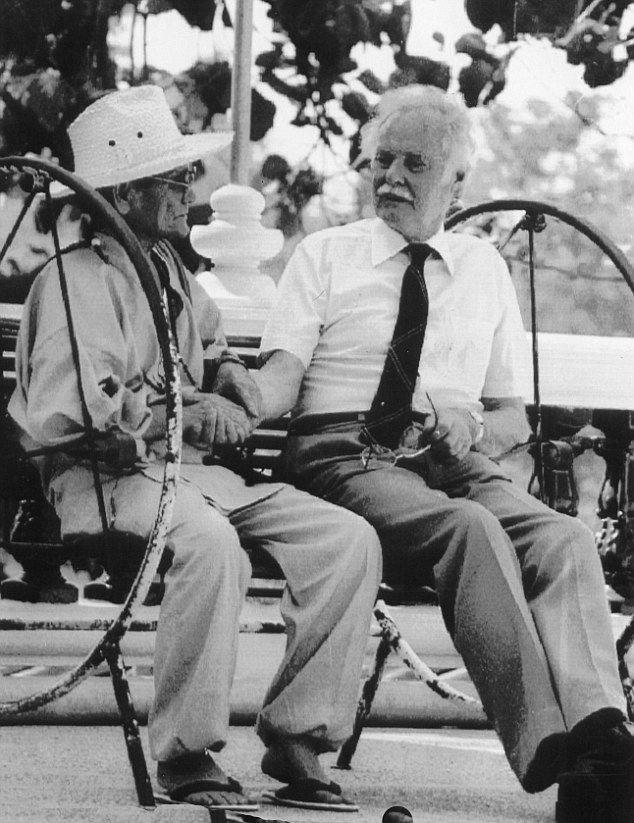 |
| Takashi Nagase (left), Eric Lomax (right) |
The truth is, it’s not
easy to forgive someone, for how much hurt they had impose on you. Sometimes it
even involves death like Eric’s case. But "Remembering
hardens hate." It’s not possible to move on if we kept on carrying
this weigh of vengeance. Perhaps, we should choose to forgive if the person for
our own good or both parties. Just like Eric Lomax and Takashi Nagase.
However, it
does not indicate we should blindly forgive someone as well. For over 40 years,
Takashi Nagase had shown his sincerity and repentance after the war. Building
up temples and museums, reminding people the cruelty of war caused by his own
kind. Knowing that he was leaded by the wrong mandate, Nagase had seek
forgiveness from Eric and of course Eric had given him the forgiveness that he
(they) needed to move on. Finally, through the encouragement of his wife, they
both met at Kanchanaburi. Where they initially met and later became great friends. They both passed away at the age of 91 and 93.
Nonetheless, it’s amazing how the same place we lived now Malaysia, was the same ground called Malaya before, where the torturing occurred less than a century ago. We were so close yet so far away from it. I’m so grateful that we were born in this generation, where suffering and war is taken away from us. It took 2000 years for humans to curb slavery and maintain civilization. We are so lucky to not be sheltered from it. Which prompted me to wonder why some people would complain when their parents asked them for a little help with chores, I admit was one of them too. (Time for a change.)
 |
| Malaysia before, With Romusha building trails |
| Malaysia now, where we enjoy comfortable trains |
As I seen
this phrase somewhere before, “reading a book should be a conversation between
you and the author”. I have to say, I had a great conversation with Mr Eric
Lomax. He is a true war hero whom inspired me and taught me a valuable lesson
about forgiveness. If you ask me, I would recommend this book to my friends, it's a beneficial read! You can learn alot about war and life values. Well, if you are lazy to read, you can always check out the movie:
The Railway Man and share your thoughts with me.
That's pretty how I spend the first few days of my holiday. Hope you enjoy my blogpost. :)